Instructions
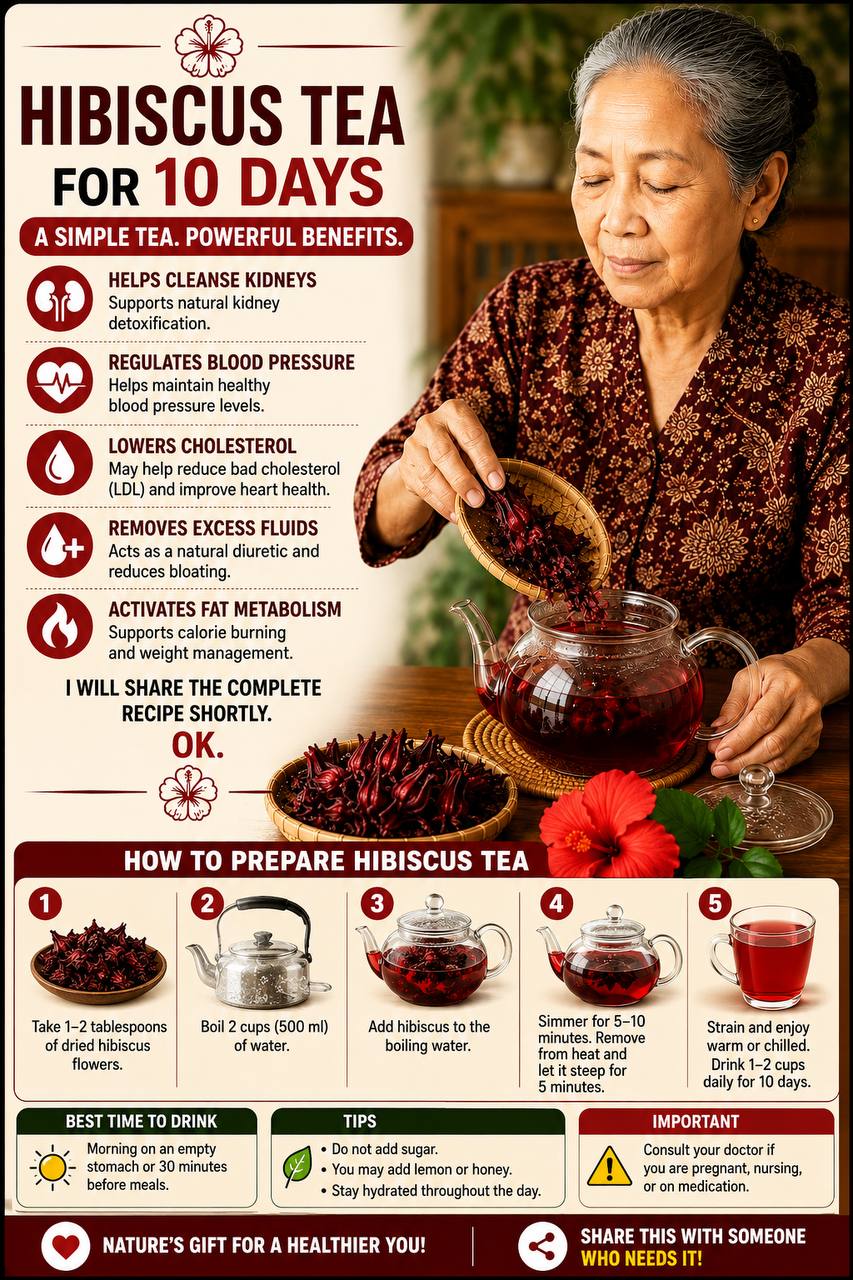
- Measure Your Hibiscus: Begin by measuring out 4-5 tablespoons of dried hibiscus flowers. Ensure your hibiscus flowers are of good quality, ideally organic, to maximize flavor and health benefits.
- Boil the Water: In a kettle or saucepan, bring 4 cups of fresh, filtered water to a rolling boil. Using filtered water can enhance the purity of your tea’s flavor.
- Combine and Steep: Once the water has reached a boil, carefully pour it over the dried hibiscus flowers. You can do this directly in a heat-proof pitcher, a large mug, or a teapot. Ensure the flowers are fully submerged.
- Simmer (Optional but Recommended for Potency): For a stronger, more potent brew, especially if you’re aiming for maximum health benefits, transfer the hibiscus and hot water mixture to a saucepan. Reduce the heat to low and let it gently simmer for 5-10 minutes. This process helps to extract more of the beneficial compounds and deepens the flavor and color.
- Steep to Perfection: After simmering (or immediately after pouring hot water if skipping the simmer), cover your container and let the hibiscus steep for another 10-15 minutes. The longer it steeps, the stronger and more concentrated your tea will be. You’ll notice the water transforming into a beautiful, deep ruby red color.
- Strain and Serve: Place a fine-mesh strainer over a clean pitcher or individual cups. Carefully pour the steeped hibiscus tea through the strainer to separate the liquid from the spent flowers. Discard the flowers.
- Enjoy Warm or Chilled: Your hibiscus tea is now ready to enjoy! Serve it warm for a comforting experience, or let it cool completely before refrigerating it for a few hours to enjoy a wonderfully refreshing chilled beverage.
- Enhance (Optional): If desired, add a squeeze of fresh lemon juice to brighten the flavor. For a touch of sweetness, stir in a teaspoon or two of raw honey or maple syrup while the tea is still warm, ensuring it dissolves completely. Remember, for optimal health benefits, it’s best to avoid adding sugar.
Cooking Tips and Variations
To ensure you get the most out of your hibiscus tea and tailor it to your preferences, consider these tips and variations:
- Quality Matters: Always opt for high-quality, organic dried hibiscus flowers. The purity of the flowers directly impacts the taste and the health benefits of your tea.
- Don’t Over-Steep: While a longer steep enhances potency, over-steeping can sometimes lead to a slightly bitter taste. Experiment with steeping times between 10-20 minutes to find your ideal balance.
- Flavor Boosters: Besides lemon and honey, consider adding other natural flavor enhancers. A few slices of fresh ginger can add a warming, spicy note, while a sprig of fresh mint can provide a cool, invigorating twist. A cinnamon stick simmered with the hibiscus can also add a lovely aroma and subtle sweetness.
- Sparkling Hibiscus: For a festive and refreshing treat, once your tea is cooled, mix it with sparkling water or club soda. Garnish with fresh berries or a lime wedge.
- Hibiscus Iced Tea Cubes: Freeze leftover hibiscus tea in ice cube trays. These cubes are perfect for chilling future batches of hibiscus tea without diluting the flavor, or for adding a beautiful color and subtle flavor to plain water.
- Spice it Up: For a more complex flavor profile, add a pinch of whole cloves or a few cardamom pods to the water along with the hibiscus flowers before simmering.
- Sweetener Alternatives: If you need sweetness but want to avoid honey or maple syrup, a touch of stevia or monk fruit sweetener can be used, but always in moderation. The goal is to appreciate the natural tartness of the hibiscus.
- Consistency is Key: For experiencing the full range of health benefits, aim to drink 1-2 cups daily for at least 10 days. Consistency can significantly impact the positive effects on your body.
Storage and Reheating
Proper storage ensures your hibiscus tea remains fresh and flavorful, ready for your next refreshing sip.
- Storage: Once brewed and cooled, transfer your hibiscus tea to an airtight container or a glass pitcher. Store it in the refrigerator for up to 3-4 days. The vibrant color and tart flavor will remain largely intact.
- Reheating: If you prefer to enjoy your hibiscus tea warm after it has been refrigerated, you can gently reheat it on the stovetop over low heat until it reaches your desired temperature. Avoid boiling it again, as this can diminish some of its delicate flavors and beneficial compounds. Alternatively, you can warm individual servings in the microwave in 30-second intervals until heated through.
- Freezing: For longer storage, hibiscus tea can be frozen. Pour cooled tea into freezer-safe containers, leaving a little headspace for expansion. It can be stored in the freezer for up to 3 months. Thaw in the refrigerator overnight before serving. As mentioned in the tips, freezing it into ice cubes is also a great way to preserve it and use it without dilution.
Frequently Asked Questions
What are the main health benefits of drinking hibiscus tea?
Hibiscus tea is renowned for several impressive health benefits. It is known to support kidney cleansing, help regulate blood pressure, assist in lowering ‘bad’ LDL cholesterol, act as a natural diuretic to reduce excess fluids and bloating, and activate fat metabolism, thereby supporting weight management efforts. Its rich antioxidant content also contributes to overall well-being.
Can I drink hibiscus tea every day?
Yes, drinking hibiscus tea daily is generally safe and recommended to experience its full health benefits. Many sources suggest a regimen of 1-2 cups daily for 10 days to observe significant effects. However, it’s crucial to listen to your body and consult with a healthcare professional if you have any pre-existing health conditions, are pregnant, nursing, or taking medications, as it can interact with certain drugs.
When is the best time to drink hibiscus tea?
For optimal absorption and benefits, it is often recommended to drink hibiscus tea in the morning on an empty stomach or about 30 minutes before meals. This timing can help kickstart your metabolism and allow your body to better absorb its beneficial compounds. However, it can be enjoyed any time of day as a refreshing beverage, warm or chilled.
Are there any side effects or precautions I should be aware of?
While generally safe, hibiscus tea can interact with certain medications, particularly those for blood pressure and diabetes, potentially lowering them too much. It may also affect estrogen levels, which is why pregnant or nursing individuals are advised to consult a doctor before consumption. Due to its diuretic properties, ensure you stay well-hydrated throughout the day. Always consult a healthcare professional if you have any concerns, especially if you are pregnant, nursing, or on medication.