Instructions
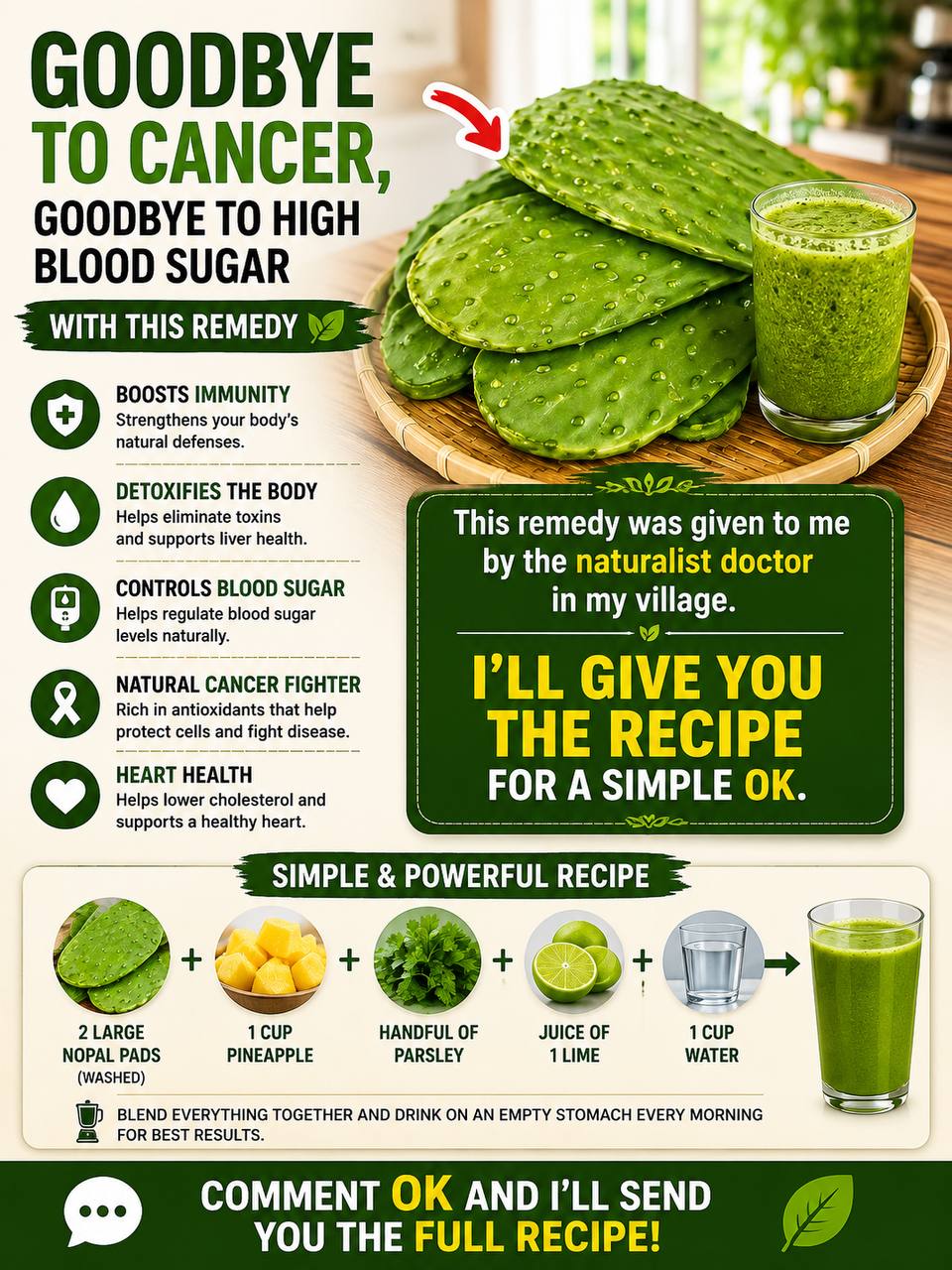
- Prepare the Nopal: Carefully handle the prickly pear cactus pads. Using a sharp knife, trim off the edges and any remaining visible spines or “glochids.” You can also use a vegetable peeler to remove the skin if you prefer, though it’s not strictly necessary once the spines are gone. Chop the prepared nopal into smaller, manageable pieces, about 1-inch squares.
- Combine Ingredients in Blender: Place the chopped nopal, pineapple chunks, fresh parsley, and lime juice into a high-speed blender.
- Add Water: Pour in 1 cup of cold water. You can adjust the amount of water later to achieve your desired consistency.
- Blend Until Smooth: Secure the lid on your blender and blend on high speed until the mixture is completely smooth. This may take 1-2 minutes, depending on your blender’s power. Scrape down the sides if necessary to ensure all ingredients are fully incorporated.
- Strain (Optional): For a smoother, pulp-free juice, you can strain the mixture through a fine-mesh sieve or a nut milk bag. Press down on the solids to extract as much liquid as possible. Discard the pulp.
- Serve Immediately: Pour the fresh prickly pear cactus drink into a glass and enjoy immediately for the best taste and nutrient benefits.
Cooking Tips and Variations
Achieving the perfect Prickly Pear Cactus Drink involves a few key techniques and offers plenty of room for customization. For the smoothest consistency, especially if you’re not straining, ensure your nopal and pineapple are cut into small pieces before blending. A high-speed blender is definitely your best friend here, as it breaks down the fibrous nopal more effectively. If you’re sensitive to the slightly mucilaginous texture of nopal, straining is highly recommended. To enhance the vibrant green color and boost the nutritional profile, consider adding a handful of fresh spinach or kale. These leafy greens blend in seamlessly without overpowering the flavor. For those who prefer a sweeter drink, a small amount of natural sweetener like a teaspoon of raw honey, maple syrup, or a few drops of liquid stevia can be added, though the pineapple often provides sufficient sweetness. A slice of ginger can introduce a warming, zesty kick and additional digestive benefits. For a cooler, more refreshing drink, use frozen pineapple or add a few ice cubes to the blender. And remember, the fresher your ingredients, the more potent and delicious your juice will be!
Storage and Reheating
This Prickly Pear Cactus Drink is best enjoyed immediately after preparation to maximize its nutrient content and fresh flavor. The enzymes and vitamins in fresh juice can begin to degrade quickly when exposed to air and light. However, if you have leftovers or wish to prepare a batch for a short period, you can store it in an airtight container, such as a glass jar with a tight-fitting lid, in the refrigerator. Try to fill the container to the very top to minimize air exposure. It will maintain its quality for up to 24 hours. Beyond that, the flavors may diminish, and some nutrient loss can occur. We do not recommend freezing this juice, as the texture and taste can change significantly upon thawing. There is no “reheating” involved with this fresh juice; it’s always meant to be served chilled or at room temperature. Always give it a good stir before drinking, as some separation of ingredients may occur during storage.
Frequently Asked Questions
What does prickly pear cactus juice taste like?
The Prickly Pear Cactus Drink has a unique and refreshing flavor profile. Nopal itself has a slightly earthy, green, and subtly tart taste, often compared to green beans or a mild cucumber. When combined with sweet pineapple, bright lime, and fresh parsley, the overall flavor becomes vibrant, tangy, and surprisingly delicious. It’s often described as a refreshing green juice with a tropical twist, making it palatable even for those new to green drinks.
Can I use bottled lime juice instead of fresh?
While you can technically use bottled lime juice, we highly recommend using fresh lime juice for the best flavor and nutritional benefits. Freshly squeezed lime juice provides a brighter, more authentic citrus kick and contains higher levels of Vitamin C and other beneficial compounds compared to its bottled counterparts, which can sometimes contain preservatives or lose potency over time. The zest and natural acidity of fresh lime are key to balancing the earthiness of the nopal and enhancing the overall taste of the drink.
Where can I find fresh prickly pear cactus pads (nopal)?
Fresh prickly pear cactus pads, or nopal, are commonly found in Mexican or Latin American grocery stores and specialty markets. Many larger supermarkets with a diverse produce section may also carry them, especially in areas with a significant Hispanic population. When selecting nopal, look for firm, vibrant green pads that are free from blemishes, soft spots, or excessive prickles. They should feel heavy for their size and have a fresh, slightly waxy appearance. If you live in a region where prickly pears grow wild, you might even find them at local farmers’ markets during their season.