Instructions
-
Prepare the Cake:
- Preheat your oven to 350°F (175°C). Grease and flour a 13×18-inch sheet pan (also known as a half-sheet pan) or a 9×13-inch baking pan for a thicker cake.
- In a large mixing bowl, whisk together the all-purpose flour, granulated sugar, unsweetened cocoa powder, baking soda, and salt. Set aside.
- In a medium saucepan, combine the 1 cup unsalted butter and 1 cup water. Bring to a rolling boil over medium heat, stirring occasionally.
- Once boiling, remove the saucepan from the heat and immediately pour the hot butter mixture into the dry ingredients. Stir well with a wooden spoon or spatula until just combined. The mixture will be thick and shiny.
- In a separate small bowl, whisk together the buttermilk (if using milk + vinegar, let it sit for 5 minutes to curdle), eggs, and vanilla extract until well combined.
- Pour the wet ingredients into the chocolate mixture. Stir until fully incorporated and smooth, being careful not to overmix.
- Pour the cake batter evenly into the prepared sheet pan.
- Bake for 20-25 minutes for a 13×18-inch pan, or 30-35 minutes for a 9×13-inch pan, or until a wooden skewer inserted into the center comes out with moist crumbs, or mostly clean. Do not overbake!
-
Make the Frosting:
- While the cake is baking, prepare the frosting. In a medium saucepan, melt the 1/2 cup unsalted butter over medium heat.
- Stir in the 1/4 cup unsweetened cocoa powder until smooth.
- Add the 1/4 cup milk (or heavy cream) and bring the mixture to a gentle boil, stirring constantly.
- Once boiling, remove the saucepan from the heat.
- Immediately add the powdered sugar, vanilla extract, and salt. Whisk vigorously until the frosting is smooth and glossy. If the frosting seems too thick, add milk one teaspoon at a time until it reaches a pourable consistency. If it’s too thin, add a bit more powdered sugar.
-
Assemble and Decorate:
- As soon as the cake is out of the oven, while it is still warm, immediately pour the warm frosting evenly over the entire surface of the cake. Use an offset spatula or the back of a spoon to gently spread it to the edges if needed, but it should mostly spread on its own.
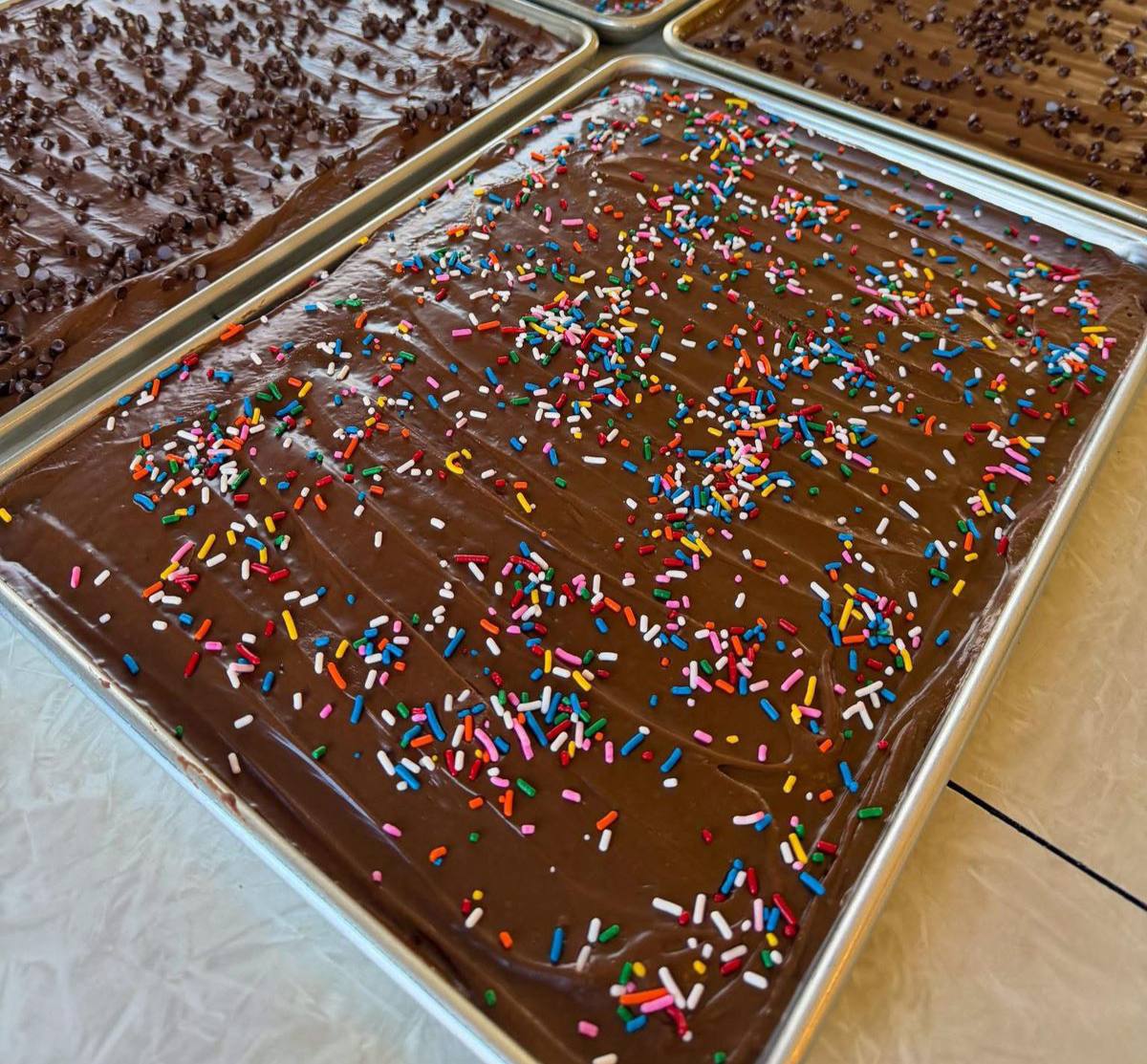
- If using, immediately sprinkle the rainbow sprinkles and/or mini chocolate chips over the warm, wet frosting. The warmth of the frosting will help them adhere.
- Allow the cake to cool completely at room temperature before slicing and serving. This allows the frosting to set and the flavors to meld.
Cooking Tips and Variations
For the best Amazing Texas Sheet Cake experience, here are some invaluable tips and exciting variations to try:
- Don’t Overmix: When combining the wet and dry ingredients for the cake, mix until just combined. Overmixing can develop the gluten in the flour, leading to a tougher, drier cake. A few small lumps are perfectly fine.
- Warm Frosting, Warm Cake: This is the golden rule of Texas Sheet Cake! Pouring the warm frosting over the warm cake allows the frosting to melt slightly into the cake, creating that signature fudgy, moist top layer and a shiny, smooth finish. If the cake cools too much, the frosting won’t absorb as well.
- How to Tell When the Cake is Done: Keep a close eye on the baking time. Texas Sheet Cake is meant to be incredibly moist, so you don’t want to overbake it. A wooden skewer or toothpick inserted into the center should come out with moist crumbs attached, or mostly clean. If it comes out completely clean, it might be slightly overbaked.
- Pan Size Matters: For the classic thin Texas Sheet Cake, a 13×18-inch half-sheet pan is ideal. If you prefer a thicker cake, you can use a 9×13-inch baking pan, but be sure to adjust the baking time accordingly (it will need to bake longer).
- Buttermilk Substitute: If you don’t have buttermilk on hand, you can easily make your own. For 1/2 cup of buttermilk, simply measure 1/2 tablespoon of white vinegar or lemon juice into a liquid measuring cup, then fill the rest of the way to the 1/2 cup mark with regular milk. Stir and let it sit for 5 minutes until it slightly curdles. This acidity helps activate the baking soda and contributes to the cake’s tenderness.
- Enhancing Chocolate Flavor: For an even deeper chocolate flavor in the frosting, you can add 1/2 teaspoon of instant espresso powder or coffee granules along with the cocoa powder. Coffee naturally enhances chocolate without making the frosting taste like coffee.
Variations:
- Nutty Crunch: For a classic Southern twist, sprinkle 1/2 to 1 cup of chopped pecans or walnuts over the warm frosting instead of or in addition to sprinkles and chocolate chips.
- Coconut Dream: Add 1/2 to 1 cup of shredded coconut (sweetened or unsweetened) to the top for a tropical flair. Toasting the coconut lightly before sprinkling can add extra flavor and texture.
- Seasonal Sprinkles: Tailor your sprinkles to the occasion! Use red and green for Christmas, pastels for Easter, or team colors for a game day treat.
- Different Flavored Extracts: Experiment with extracts in the frosting for subtle flavor changes. A touch of almond extract can complement chocolate beautifully, or a hint of mint extract for a mint chocolate experience.
- Spicy Kick: For the adventurous, a tiny pinch of cayenne pepper in the cake batter can add a surprising depth and warmth to the chocolate without being overtly spicy.
- Cream Cheese Frosting: While not traditional for Texas Sheet Cake, if you desire a tangier, richer frosting, you can adapt a cream cheese frosting recipe and spread it over the cooled cake.
Storage and Reheating
Texas Sheet Cake is fantastic for making ahead and storing, making it an even more convenient dessert.
- At Room Temperature: Leftover Texas Sheet Cake can be stored at room temperature, covered tightly with plastic wrap or aluminum foil, for up to 2-3 days. Ensure it’s in an airtight container to prevent it from drying out.
- In the Refrigerator: For longer storage, you can refrigerate the cake for up to 5-7 days. Again, make sure it’s well-covered to prevent it from absorbing odors from other foods in the fridge. The frosting may firm up slightly when chilled, but it will soften at room temperature.
- Freezing: Texas Sheet Cake freezes beautifully! You can freeze the entire cake (once completely cooled) in its pan, tightly wrapped in several layers of plastic wrap and then aluminum foil. Alternatively, cut the cake into individual servings and wrap each piece separately before placing them in a freezer-safe bag or container. It can be frozen for up to 2-3 months.
- Reheating:
- From Room Temperature/Refrigerator: No reheating is necessary! Texas Sheet Cake is typically served at room temperature. If it’s been refrigerated, simply let it sit out for 30-60 minutes before serving to allow the cake and frosting to soften slightly.
- From Freezer: Thaw frozen cake overnight in the refrigerator, or for a few hours at room temperature. Once thawed, it’s ready to serve. You can gently warm individual slices in the microwave for 10-15 seconds if you prefer a warm, gooey frosting, but be careful not to overheat it.
Frequently Asked Questions
What kind of pan should I use for Texas Sheet Cake?
For the classic thin and wide Texas Sheet Cake, a 13×18-inch “half-sheet pan” is ideal. If you prefer a thicker cake, you can use a 9×13-inch baking pan, but be aware that the baking time will be longer (closer to 30-35 minutes).
Can I make Texas Sheet Cake ahead of time?
Absolutely! Texas Sheet Cake is an excellent make-ahead dessert. You can bake and frost it a day or two in advance. Store it covered at room temperature. In fact, many people find the flavors meld and improve slightly after a day.
My frosting is too thin/too thick. What should I do?
If your frosting is too thin after whisking in the powdered sugar, add a little more powdered sugar, one tablespoon at a time, until it reaches the desired pourable consistency. If it’s too thick, add a tiny bit more warm milk, one teaspoon at a time, whisking well after each addition, until it’s smooth and pourable. The key is to adjust slowly.
Why do you pour the frosting over a warm cake?
Pouring the warm frosting over a warm cake is crucial for the signature texture of Texas Sheet Cake. The warmth allows the frosting to slightly melt and absorb into the top layer of the cake, creating an incredibly moist, fudgy, and cohesive texture. It also helps the frosting spread smoothly and gives it that beautiful, glossy finish, and ensures any toppings you add adhere perfectly.