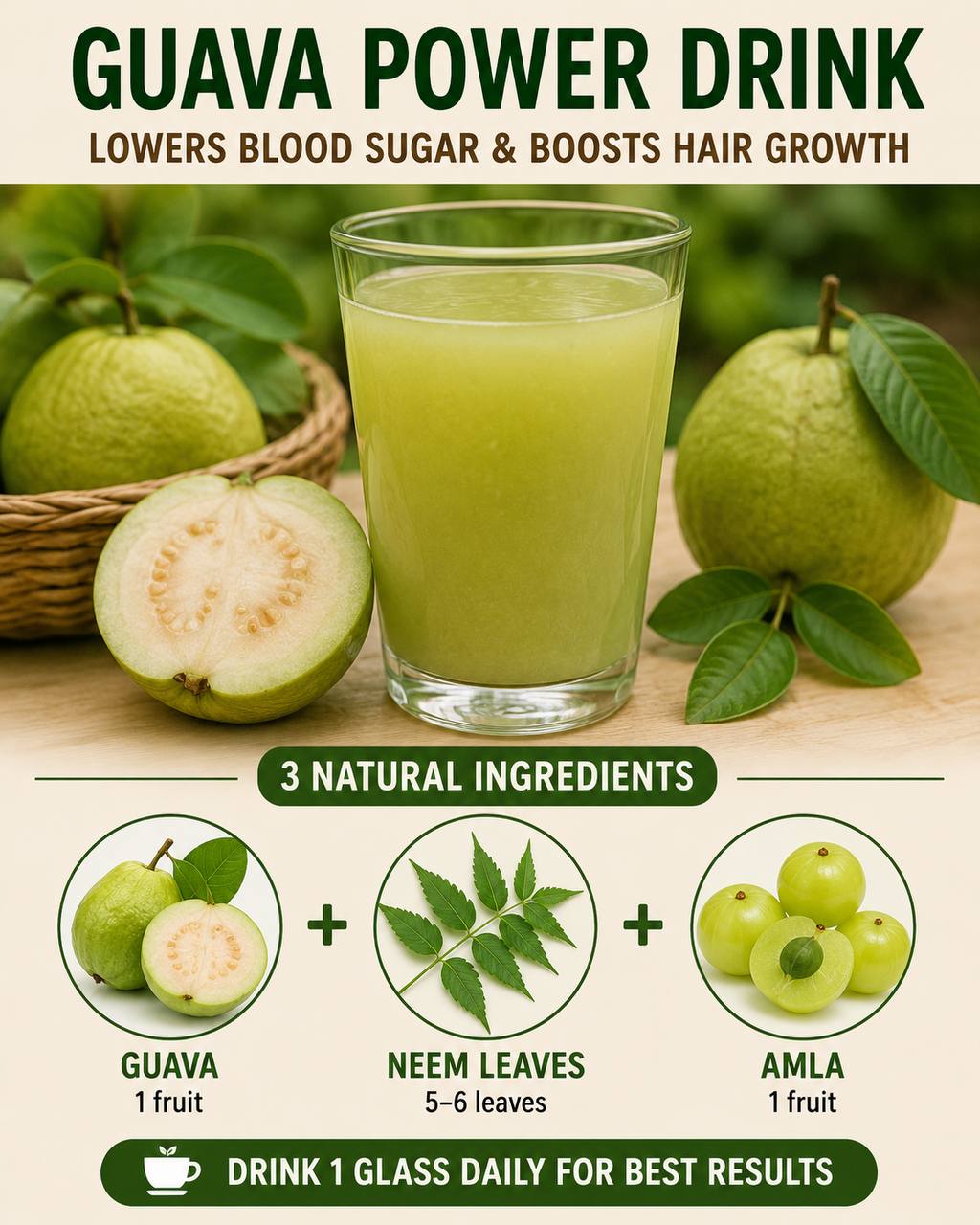
Instructions
- Prepare the Ingredients: Thoroughly wash the guava, neem leaves, and amla under cold running water. Pat them dry. For the guava, you can quarter it for easier blending. For the amla, you may want to roughly chop it and remove the seed if it’s too hard, though some blenders can handle it.
- Combine in Blender: Place the prepared guava pieces, neem leaves, and amla into a high-speed blender. Pour in 1 cup of filtered water.
- Blend Until Smooth: Secure the lid and blend on high speed for 1-2 minutes, or until the mixture is completely smooth and no large chunks remain. You might need to pause and scrape down the sides of the blender with a spatula to ensure everything is incorporated.
- Strain the Drink (Recommended): Place a fine-mesh strainer over a large glass or pitcher. Carefully pour the blended mixture through the strainer. Use the back of a spoon or a spatula to press down on the pulp, extracting as much liquid as possible. This step is crucial for a smooth, palatable drink, as guava seeds and neem leaf fibers can be unpleasant.
- Adjust Taste (Optional): If the drink is too tart from the amla or bitter from the neem for your preference, stir in a small amount of honey or jaggery. A squeeze of fresh lime juice can also brighten the flavors.
- Serve Immediately: Pour the strained Guava Power Drink into a glass and serve it immediately to enjoy its freshness and maximize nutrient retention.
Cooking Tips and Variations
For the best Guava Power Drink experience, paying attention to ingredient quality and preparation can make all the difference. Always opt for fresh, ripe guava; it should yield slightly to gentle pressure and have a pleasant aroma. Fresh, vibrant green neem leaves are ideal, and fresh amla will provide the most potent vitamin C. If fresh amla isn’t available, you can sometimes find frozen amla pulp in ethnic grocery stores, though fresh is always preferred for this recipe.
The taste of this drink can be quite pronounced due to the bitterness of neem and the tartness of amla. If you find it too challenging, start with fewer neem leaves (e.g., 2-3) and gradually increase as your palate adjusts. For sweetness, beyond honey or jaggery, you could try a small amount of stevia. Avoid refined sugars, as they would counteract the drink’s health-focused intent. Adding a small knob of fresh ginger (about 1/2 inch, peeled) can introduce a pleasant spicy kick that complements the other flavors and offers additional digestive benefits. A few fresh mint leaves blended in can also add a refreshing dimension.
For a thicker, smoothie-like consistency, you can reduce the amount of water slightly, or add a few ice cubes to the blender. Conversely, if you prefer a thinner drink, add a splash more water. Remember that consuming the whole fruit offers more fiber than juicing, so while straining is recommended for palatability here, be aware that some fiber is lost. If you can tolerate a slightly pulpier drink, a coarser strain or no strain at all will retain more fiber.
Storage and Reheating
This Guava Power Drink is best enjoyed immediately after preparation. The fresh ingredients, especially amla and neem, are potent when consumed fresh, and their flavors and nutritional compounds can degrade or change over time. The vibrant green color can also start to oxidize and turn brownish if left exposed to air.
If you must store any leftovers, pour the drink into an airtight container or a glass bottle with a tight-fitting lid. Refrigerate it immediately. It will generally keep for up to 24 hours in the refrigerator. Beyond that, the taste may become more bitter, and the nutritional value might diminish significantly. We do not recommend freezing this drink, as it can alter the texture and flavor of the fresh ingredients upon thawing. Reheating is also not recommended; this is a drink designed to be consumed chilled or at room temperature.
To ensure you’re getting the most out of your Guava Power Drink, plan to make only what you intend to consume within a day. Freshness is key to both its taste and its purported health benefits.
Frequently Asked Questions
What is the scientific evidence behind guava lowering blood sugar?
Guava is rich in fiber, which can help slow down sugar absorption in the bloodstream, and some studies, primarily in animals or small human trials, have suggested that guava leaf extract may have hypoglycemic effects. However, it’s crucial to distinguish between whole guava fruit, guava juice, and concentrated extracts. Whole guava fruit, with its high fiber content, is generally beneficial for blood sugar management. Guava juice, on the other hand, can remove much of this beneficial fiber and may contain concentrated sugars. While promising, the direct claim of “lowering blood sugar” through regular consumption of this specific drink needs more robust, large-scale human clinical trials to be definitively proven for managing conditions like diabetes. It should never replace prescribed medication or medical advice for diabetes management.
Can this drink really boost hair growth?
The ingredients in this drink, particularly guava and amla, are packed with vitamins and antioxidants beneficial for overall health, including hair health. Amla is renowned for its high Vitamin C content, essential for collagen production, which is crucial for hair structure. Guava also contains Vitamin C and other antioxidants. However, the claim of “boosting hair growth” from simply drinking this concoction requires more direct scientific evidence. While a nutrient-rich diet supports healthy hair, specific claims about direct growth stimulation from a single drink are often an exaggeration. Many traditional remedies involve topical application of these ingredients for hair benefits, which is a different mechanism than dietary intake. This drink can contribute to a healthy scalp and hair by providing essential nutrients, but it’s not a magic bullet for hair loss.
Are there any potential side effects or considerations for consuming neem leaves?
Neem leaves have a very strong, bitter taste, which can be off-putting for some. While neem has been used in traditional medicine for centuries and is generally considered safe in moderate amounts, excessive consumption can sometimes lead to gastrointestinal upset. Pregnant or breastfeeding women, individuals with autoimmune diseases, or those on medication (especially for diabetes due to its potential to lower blood sugar) should exercise caution and consult a healthcare professional before incorporating neem into their diet. It’s always best to start with a small quantity of neem leaves and observe your body’s reaction. This drink is not a substitute for professional medical advice or treatment.