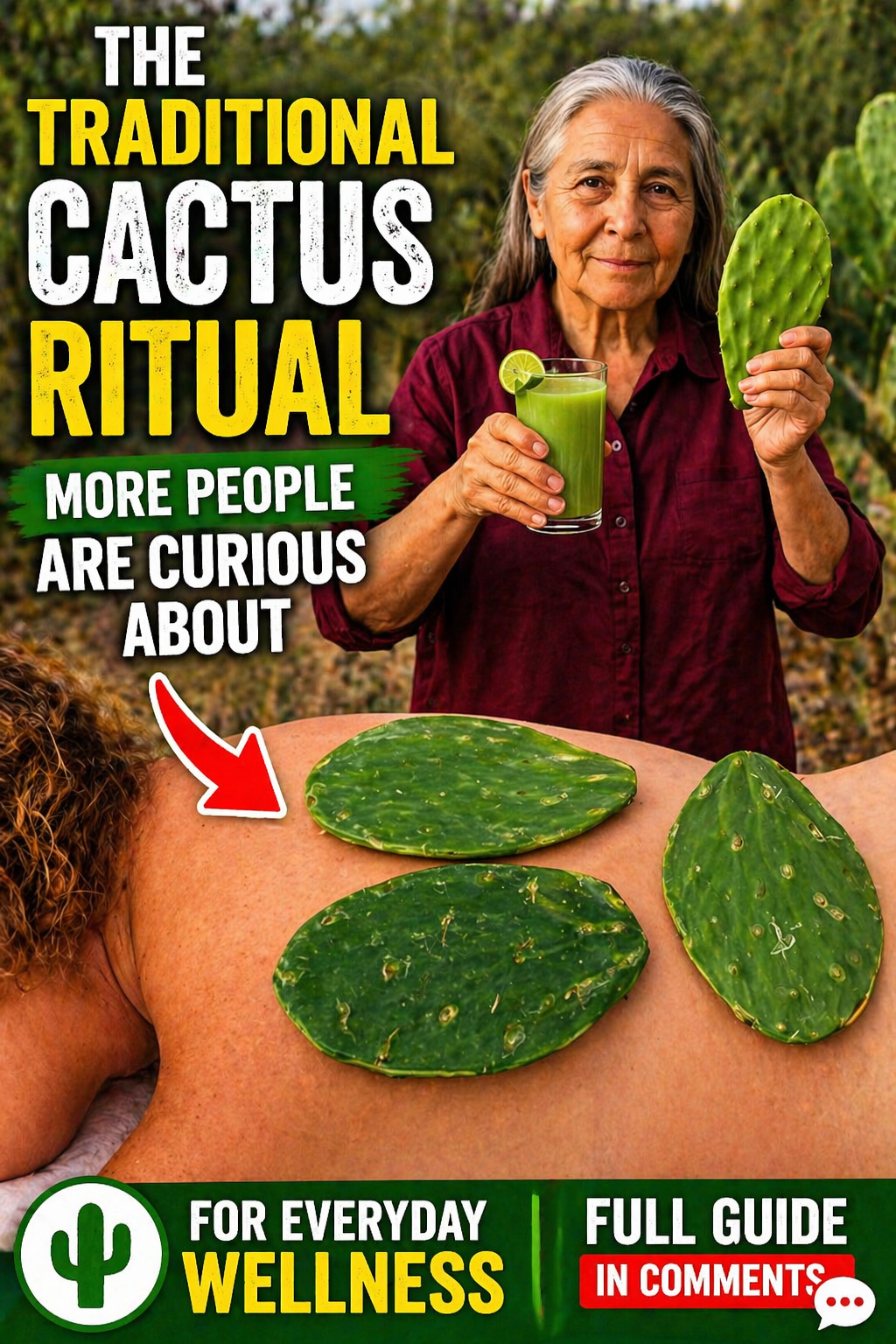
✨ Why Traditional Wellness Rituals Still Capture Attention
Modern wellness trends move fast. One week it is all about a new powder, the next week it is a complicated routine with expensive tools, and after that something else takes over. But every now and then, people return to older, simpler traditions that feel more rooted in culture, place, and daily life. That is part of the reason cactus-based rituals continue to spark curiosity.
They feel different from trend-driven wellness content. They seem slower. More connected to land, history, and practical use. Whether people are interested in cactus as a food, a drink ingredient, or part of a traditional self-care ritual, the attraction often goes beyond the plant itself. It is also about the idea of returning to something more natural, more familiar, and less commercial.
That is what makes the traditional cactus ritual such a fascinating topic.
For many people, curiosity starts with a simple question: why has this plant remained part of traditional living in so many regions for so long? And from there, the conversation expands into food culture, home remedies, personal rituals, and everyday wellness habits that feel more grounded than glamorous.
🌵 Why Cactus Has Such a Strong Traditional Identity
Cactus is not just a plant people admire from a distance. In many places, it has long been part of daily life. Certain cactus varieties, especially prickly pear cactus, have been used in cooking, drinks, and household traditions for generations. Pads and fruit have appeared in kitchens, markets, gardens, and traditional food practices across different cultures.
That long history is one reason the plant carries such strong symbolic weight. It represents resilience. Adaptation. Simplicity. Practical living in tough conditions. People often associate cactus with strength because it thrives where many plants cannot.
That cultural identity naturally carries into wellness storytelling. When a plant already has deep roots in food and daily life, people become more open to hearing about the rituals built around it.
🌼 What People Usually Mean by a “Traditional Cactus Ritual”
When people use this phrase, they may be referring to more than one thing. In some cases, they mean cactus prepared as part of a traditional food or drink routine. In other cases, they are talking about a home ritual involving cactus pads in a more topical or spa-like way. Sometimes the phrase simply reflects a broader traditional practice where cactus plays a role in daily self-care.
That is important because these rituals are often cultural and lifestyle-oriented, not just ingredient-focused.
A cactus ritual may involve:
- Preparing cactus in a traditional kitchen setting
- Drinking a cactus-based beverage as part of a daily routine
- Using cactus as part of a cooling or soothing self-care moment
- Exploring heritage practices tied to land and plant knowledge
- Incorporating cactus into a broader wellness-centered lifestyle
The appeal often lies in the ritual itself. The preparation. The intention. The feeling of doing something slower and more rooted than usual.
🏡 Why These Rituals Feel So Relevant in Modern Life
One reason traditional plant rituals are getting more attention is that many people are tired of routines that feel overly processed and disconnected from real life. They want habits that feel more tactile, seasonal, and meaningful.
A cactus-based ritual fits that desire surprisingly well.
It often involves real preparation rather than instant convenience. It invites curiosity about ingredients and their origin. It also feels visually distinctive, which makes it especially appealing on social platforms. A cactus pad, a bright drink, a rustic setup, or a natural outdoor scene immediately creates a sense of story.
But beyond the image, there is also a lifestyle reason for the appeal. Traditional rituals slow people down. They encourage attention. They often feel more grounded than modern “quick fix” wellness content. And for many people, that slower tone is exactly what feels refreshing.
🌿 The Difference Between Curiosity and Claims
This is where it helps to stay thoughtful.
A traditional cactus ritual can be interesting, beautiful, and culturally rich without needing to be turned into a dramatic health claim. That distinction matters. Curiosity is healthy. Cultural appreciation is valuable. But exaggerated promises often weaken the real beauty of the tradition.
A better approach is to explore cactus rituals through lenses like:
- heritage
- food culture
- natural lifestyle practices
- kitchen traditions
- sensory self-care
- everyday wellness rituals
That keeps the conversation grounded and respectful. It also makes the content more trustworthy.
🍹 Cactus in Food and Drink Traditions
One of the most familiar ways people encounter cactus is through food and drink. Prickly pear cactus pads and fruit have long been used in different traditional cuisines. Some people enjoy cactus in savory dishes. Others know it through juices, fresh preparations, jams, or regional beverages.
That is often the easiest entry point for modern audiences. A cactus drink or cactus-inspired recipe feels accessible. It fits naturally into food content, kitchen storytelling, and home lifestyle articles.
This angle is also useful because it connects wellness to real habits. Instead of treating cactus like a miracle object, it becomes part of a broader conversation about traditional ingredients, balanced routines, and plant-based culinary curiosity.
🌙 The Spa-Like Side of the Cactus Ritual
Some of the fascination around cactus also comes from its visual and sensory qualities. Thick green pads, cooling texture, desert setting, and earthy atmosphere all make it easy for people to imagine cactus as part of a calming self-care ritual.
That does not mean extreme promises are necessary. Often, the attraction is simply the experience:
- the look of the plant
- the outdoor connection
- the feeling of traditional simplicity
- the soothing, natural visual language
In content terms, this makes cactus rituals especially strong for lifestyle storytelling. The setting matters almost as much as the plant itself. A quiet natural backdrop, a traditional preparation moment, or a slower self-care atmosphere creates curiosity without needing to overstate the effect.
💎 Premium vs. Regular: What Makes a Traditional Ritual Feel Elevated?
A traditional ritual does not need to be expensive, but it can still feel premium. Usually that comes from presentation, simplicity, and authenticity rather than luxury branding.
A more ordinary version might be:
- a quick glance at cactus as just another ingredient
- little context about where it comes from
- no attention to preparation or ritual
A more elevated version might include:
- a thoughtful traditional setup
- better visual storytelling
- quality ingredients
- respect for the cultural roots of the practice
- a calm, natural atmosphere
That is often the difference between content that feels gimmicky and content that feels worth reading.
🌿 Common Mistakes People Make With Topics Like This
When people create content around traditional plant rituals, they often fall into one of these traps:
- turning the ritual into a miracle cure
- stripping it from its cultural context
- making it seem more dramatic than it is
- reducing a meaningful tradition to one exaggerated claim
- focusing only on shock value instead of value
A better direction is to let the subject stay interesting on its own. Cactus already has visual power, cultural depth, and lifestyle appeal. It does not need artificial hype to be compelling.
🌵 A Simple Way to Frame the Ritual for Modern Readers
If you want to present this kind of topic in a clean, premium, and engaging way, a strong framing might be:
- traditional plant ritual
- curiosity-driven lifestyle feature
- heritage-inspired everyday wellness angle
- food and self-care crossover
- slower, grounded daily habit
This gives the article room to breathe. It keeps the tone inviting. And it lets readers stay curious without feeling like they are being pushed toward unbelievable claims. <!–nextpage–>
✨ How to Make This Topic Feel More Useful to Readers
To make a cactus ritual article feel truly valuable, it helps to answer the questions readers actually have:
- What kind of cactus are people talking about?
- Is this more about food, drink, or self-care?
- Why has this plant remained part of traditional living?
- What makes the ritual appealing today?
- How can someone explore the idea respectfully and realistically?
Once you answer those questions, the article becomes much stronger. It shifts from vague wellness content into something that feels grounded, useful, and interesting.