Introduction
As men age, particularly after reaching their 60s, the focus on health often shifts to maintaining vitality and preventing common age-related conditions. Among these, prostate health emerges as a significant concern. While medical advancements play a crucial role, the power of diet in supporting a healthy prostate cannot be overstated. This is where the humble yet mighty tomato steps into the spotlight, hailed as a superfood for its remarkable nutritional profile, especially its star compound: lycopene. This article delves into the profound benefits of lycopene, primarily sourced from tomatoes, for prostate health in men over 60, and explores delicious, practical ways to seamlessly integrate them into your daily diet.
Tomatoes are far more than just a versatile kitchen staple; they are a nutritional powerhouse packed with vitamins, minerals, and potent antioxidants. For decades, scientific research has pointed towards a strong correlation between regular tomato consumption and improved prostate outcomes. The vibrant red hue of tomatoes is a direct indicator of their rich lycopene content, a carotenoid pigment responsible for their color and, more importantly, their impressive health-promoting properties. Understanding how this powerful antioxidant works and how to maximize its absorption can be a game-changer for men looking to proactively support their prostate health.
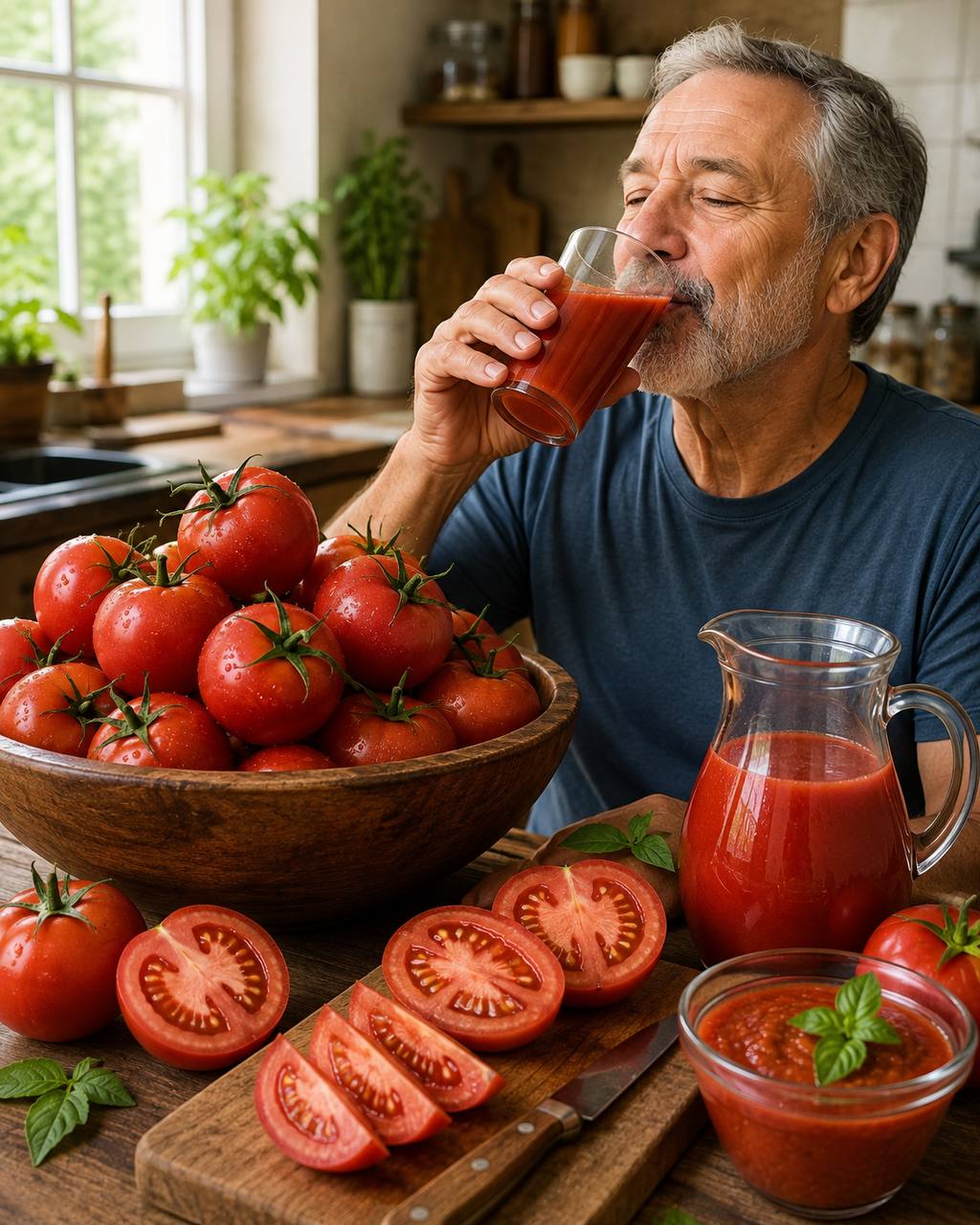
This comprehensive guide will explore the science behind lycopene’s efficacy, offering practical tips on how to prepare and consume tomatoes to unlock their full potential. From understanding why cooked tomatoes are often superior to raw ones for lycopene absorption, to incorporating them into delicious and prostate-friendly recipes inspired by the image, we aim to equip you with the knowledge and inspiration to make tomatoes a cornerstone of your diet for lasting prostate wellness.
Lycopene: The Prostate’s Best Friend
At the heart of the tomato’s prostate-protective power lies lycopene, a bright red carotenoid pigment and a formidable antioxidant. Unlike some other nutrients, lycopene is not synthesized by the human body, meaning it must be obtained through dietary sources. Its vibrant color in tomatoes, watermelons, and pink grapefruits is a visual cue to its presence. As an antioxidant, lycopene’s primary function is to neutralize harmful free radicals in the body. These unstable molecules are byproducts of normal metabolic processes and environmental exposures, and they can cause oxidative stress, leading to cellular damage, inflammation, and contributing to the development of chronic diseases, including various prostate issues.
For prostate health, especially as men age past 60, lycopene’s mechanism of action is particularly relevant. Oxidative stress and chronic inflammation are increasingly recognized as key drivers in the development and progression of prostate conditions. Lycopene effectively scavenges these free radicals, thereby reducing oxidative damage to prostate cells. Furthermore, it has demonstrated anti-inflammatory properties, which can help mitigate the chronic inflammation often associated with conditions like benign prostatic hyperplasia (BPH) and even prostate cancer. By protecting cellular DNA from damage and modulating inflammatory pathways, lycopene contributes significantly to maintaining the integrity and healthy function of the prostate gland.
Specific Benefits for Prostate Health (After 60):
- Reduced Risk of Prostate Cancer: Numerous observational studies and meta-analyses have suggested a link between higher dietary intake of lycopene (and tomato products) and a decreased risk of developing prostate cancer. While not a cure, consistent consumption appears to offer a protective effect, particularly against aggressive forms of the disease. Lycopene is thought to interfere with cancer cell growth and proliferation, promoting apoptosis (programmed cell death) in cancerous cells.
- Slowing the Progression of Existing Prostate Cancer: For men already diagnosed with prostate cancer, some research indicates that lycopene may play a role in slowing disease progression. Its antioxidant and anti-inflammatory actions can help create an environment less conducive to cancer cell spread and growth, potentially improving outcomes when integrated into a broader treatment plan.
- Alleviating Symptoms of Benign Prostatic Hyperplasia (BPH): BPH, or an enlarged prostate, is a very common condition affecting older men, leading to bothersome urinary symptoms. Lycopene’s anti-inflammatory properties may help reduce the inflammation and oxidative stress contributing to prostate enlargement. While not a primary treatment, including lycopene-rich foods can be a valuable dietary addition to help manage BPH symptoms and improve overall urinary comfort.
- Overall Cellular Health and Anti-Aging Effects: Beyond its direct impact on the prostate, lycopene’s powerful antioxidant capacity benefits overall cellular health throughout the body. By protecting cells from oxidative damage, it contributes to general anti-aging processes, supporting cardiovascular health, skin health, and immune function, which are all vital considerations for men over 60. A healthier cellular environment naturally supports the health of all organs, including the prostate.
Maximizing Lycopene Absorption: Cooking and Preparation Tips
While raw tomatoes are certainly healthy, a fascinating aspect of lycopene is its bioavailability. Unlike many nutrients that are best consumed raw, lycopene’s absorption is significantly enhanced through cooking and proper preparation. This is a crucial piece of information for anyone looking to maximize the prostate-protective benefits of tomatoes.
The “Cooked is Better” Rule:
The cell walls of raw tomatoes tightly bind lycopene. When tomatoes are cooked, the heat processing helps to break down these tough cell walls. This structural alteration releases the lycopene, making it much more accessible and available for absorption by your digestive system. Think of it like unlocking a treasure chest; cooking is the key that opens the tomato cells to release their lycopene bounty. Therefore, tomato paste, sauces, purees, and even stewed or roasted tomatoes are superior sources of bioavailable lycopene compared to their raw counterparts.
Fat Absorption:
Lycopene is a fat-soluble carotenoid. This means it requires the presence of dietary fat to be efficiently absorbed into the bloodstream. Consuming tomatoes with a healthy fat significantly boosts lycopene uptake. A simple drizzle of olive oil, a sprinkle of avocado, or incorporating tomatoes into a meal with nuts or seeds can make a substantial difference. This is why a classic Italian tomato sauce, often simmered with olive oil, is not just delicious but also an excellent vehicle for lycopene delivery.
Best Forms of Tomatoes for Lycopene:
- Tomato Paste, Sauces, Purees, and Juices: These processed forms are champions for lycopene bioavailability. The cooking and processing involved in creating these products break down the tomato cell walls, making the lycopene readily available. Tomato paste, in particular, is highly concentrated in lycopene due to its reduced water content. The image itself, featuring tomato juice and sauce, perfectly illustrates this principle.
- Stewed or Roasted Tomatoes: Slow-cooked or roasted tomatoes, whether in soups, stews, or as a side dish, also offer enhanced lycopene absorption. The prolonged heat exposure softens the tomato structure, releasing the carotenoid.
- Contrast with Raw Tomatoes: While raw tomatoes are still a good source of vitamins, fiber, and other antioxidants, their lycopene content is less bioavailable than in cooked forms. Don’t avoid raw tomatoes, but understand that cooked preparations will yield more lycopene benefits for prostate health. A fresh tomato salad is still a healthy choice for overall nutrition, but for targeted lycopene intake, lean towards cooked options.
Beyond Lycopene: Other Nutritional Benefits of Tomatoes
While lycopene rightly earns much of the spotlight for its role in prostate health, tomatoes are nutritional overachievers, offering a wealth of other beneficial compounds that contribute to overall wellness, particularly for men over 60. A holistic approach to diet means appreciating the synergistic effects of all the nutrients a food provides.
Vitamins:
- Vitamin C: Tomatoes are an excellent source of Vitamin C, a powerful water-soluble antioxidant that supports the immune system, aids in collagen production for healthy skin and connective tissues, and further combats oxidative stress throughout the body. For older men, a robust immune system is crucial for fending off infections and maintaining general health.
- Vitamin K: This vitamin is essential for blood clotting and plays a significant role in bone health. Adequate Vitamin K intake is important for maintaining bone density, a concern that can increase with age.
- Potassium: Tomatoes are rich in potassium, an electrolyte vital for maintaining healthy blood pressure, fluid balance, and proper nerve and muscle function. Controlling blood pressure is a key aspect of cardiovascular health, which is closely linked to overall well-being in older adults.
- Folate (Vitamin B9): Folate is crucial for cell growth and function, red blood cell formation, and DNA synthesis. It also plays a role in reducing homocysteine levels, an amino acid linked to an increased risk of heart disease.
Fiber:
Tomatoes provide a good amount of dietary fiber, both soluble and insoluble. Fiber is fundamental for digestive health, promoting regular bowel movements and preventing constipation, a common issue in older adults. Beyond digestion, fiber also contributes to satiety, helps regulate blood sugar levels, and can play a role in managing cholesterol, all of which are important for metabolic health.
Other Antioxidants:
While lycopene is the most prominent, tomatoes also contain other beneficial antioxidants, including beta-carotene (a precursor to Vitamin A), lutein, and zeaxanthin. These carotenoids further contribute to the body’s defense against oxidative damage and support eye health. The diverse array of antioxidants in tomatoes provides a broad spectrum of protection against cellular aging and disease.
Overall Contribution to a Healthy Diet for Older Adults:
Beyond specific nutrients, the collective impact of tomatoes on an older man’s diet is substantial. Their high water content contributes to hydration, which is often overlooked but critical for all bodily functions. Their relatively low calorie count combined with their nutrient density makes them an ideal food for weight management and ensuring adequate nutrient intake without excessive calories. Incorporating tomatoes regularly means adding a flavorful, nutrient-dense component to meals that supports everything from heart health to bone strength, and of course, prostate wellness. For men over 60, who may have increased nutritional needs or be at higher risk for certain conditions, the broad spectrum of benefits offered by tomatoes makes them an indispensable part of a healthy, balanced diet.
Incorporating Tomatoes into Your Diet: Delicious & Easy Ideas
Now that we understand the immense benefits of tomatoes, especially their lycopene content, for prostate health after 60, the next step is to make them a delicious and regular part of your diet. The good news is that tomatoes are incredibly versatile, lending themselves to countless culinary creations. Inspired by the vibrant image of fresh and processed tomatoes, here’s a simple, prostate-friendly recipe, along with other easy ideas to boost your lycopene intake.
Main Recipe Idea: Prostate-Friendly Fresh Tomato & Basil Juice/Sauce
This recipe can be enjoyed as a refreshing juice or gently simmered to create a light, flavorful sauce – perfect for maximizing lycopene absorption!
Nutritional Information
Per serving (approximate values for 1 cup juice/sauce):
- Calories: 85kcal
- Protein: 3g
- Carbohydrates: 18g
- Fat: 1.5g
- Fiber: 4g
- Sodium: 250mg
Ingredients
- 6-8 ripe, medium-sized tomatoes (about 2 pounds), such as Roma or beefsteak
- 1/4 cup fresh basil leaves, packed
- 1 small clove garlic, minced (optional, for sauce)
- 1 tablespoon extra virgin olive oil (essential for lycopene absorption)
- 1/2 teaspoon sea salt (or to taste)
- 1/4 teaspoon black pepper (or to taste)
- Pinch of red pepper flakes (optional, for a kick)
- 1/4 cup water or vegetable broth (for sauce, if needed)